
Deep-sea microbes reveal strategies for surviving phosphorus scarcity
A study of methane-producing microbes from the deep sea has shed light on how these organisms persist where phosphorus is scarce.
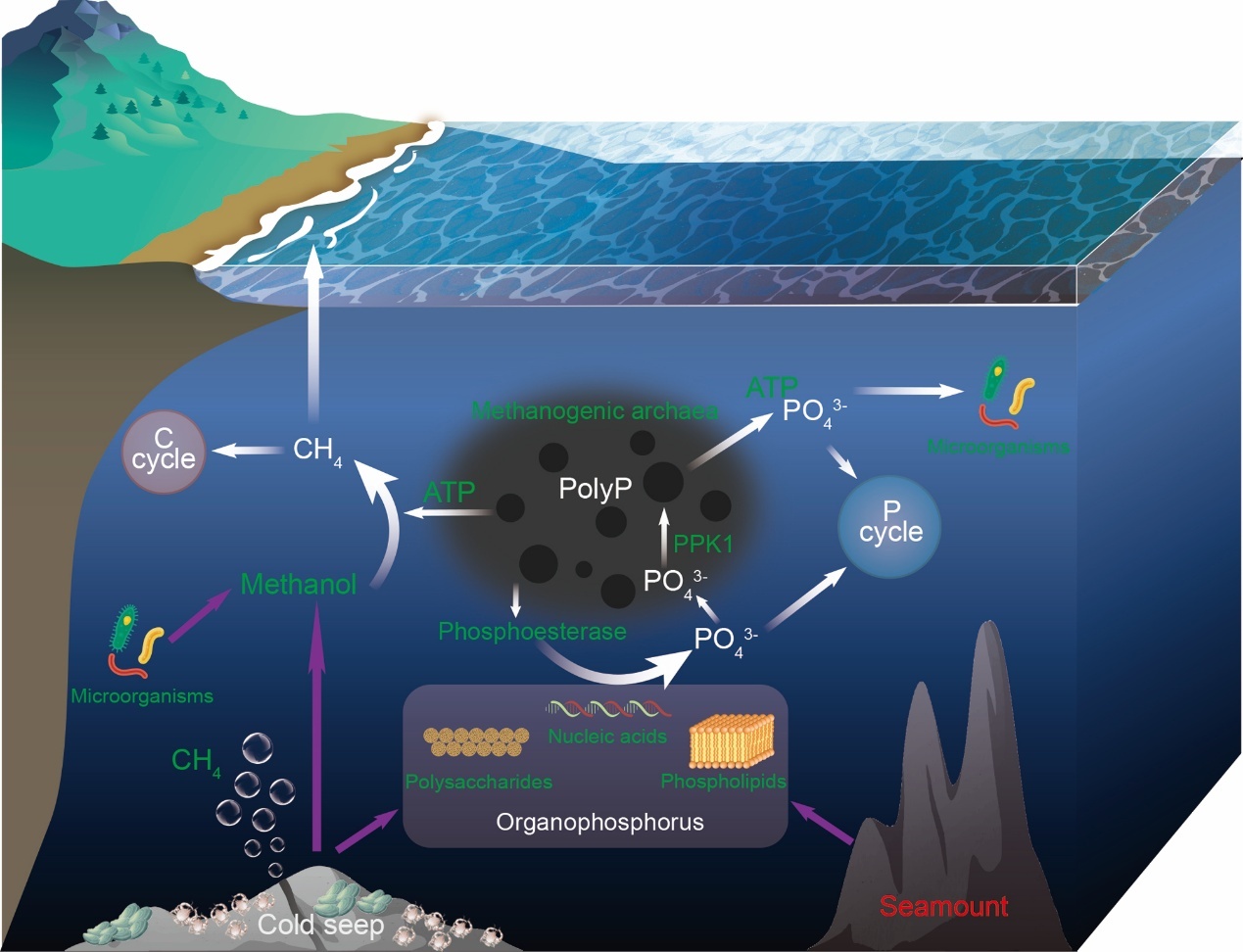
A study of methane-producing microbes from the deep sea has shed light on how these organisms persist where phosphorus is scarce.
Researchers from the Institute of Oceanology at the Chinese Academy of Sciences investigated eight strains obtained from South China Sea cold seeps and seamount environments. The work, published in PNAS, examines the role of polyphosphate in their response to limited nutrients.
Phosphorus is essential for cellular processes, making its availability an important constraint on life. Understanding how deep-sea methanogens manage that constraint helps connect microbial physiology with the functioning of marine ecosystems and the biological processes involved in methane cycling.